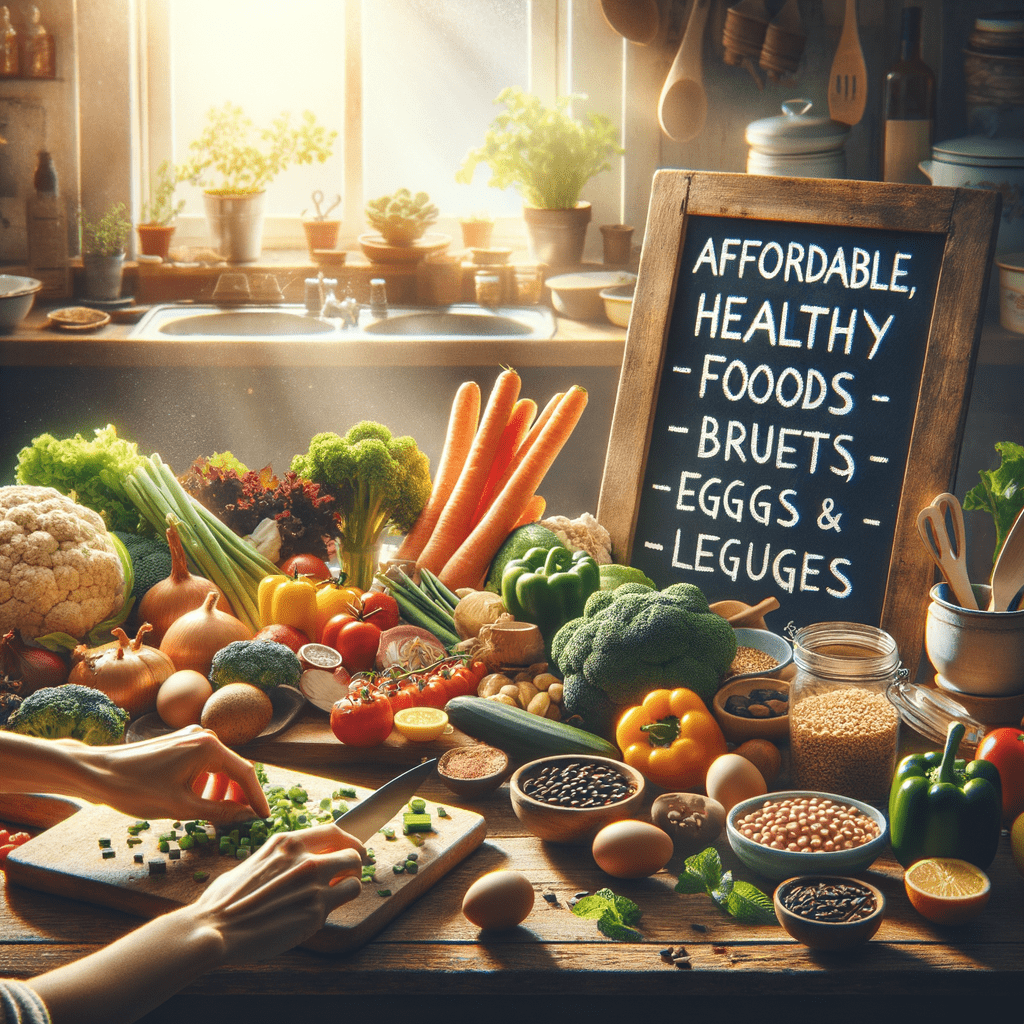
Do you desire a cleanse for your diet and renewal to feel better and also lose weight? A nutritionist recommends reducing processed and ultra-processed foods and switching to a cleaner diet.
Detox-Does It Really Exist?
With rising temperatures and the start of swimwear season, detox plans appear frequently at this time.
A diet that supposedly helps the body get rid of toxins and excess fat quickly and easily.
The idea of detox may seem tempting, but it is not factually accurate.
The body has a natural detox mechanism through two organs: the liver and the kidneys, Food entering the body does not directly clean toxins but is broken down in the digestive system, absorbed, and used for various functions such as energy production, muscle building, and more.
Therefore, a diet called “detox” is fundamentally incorrect, because detoxification happens through the body’s organs, not directly through specific foods.
What Is Processed Food?
Ultra-processed food is considered food that has undergone multiple processing stages, has a long shelf life, contains industrial additives and food extracts that improve color, texture, and taste.
It is usually cheap, packaged, ready to eat, convenient, and quick to prepare, Additionally, ultra-processed food usually has high caloric density and low nutritional density, meaning it is rich in calories, fat, sugar, and sodium, while relatively low in protein and micronutrients.
It is important to know that ultra-processed food is linked to obesity, chronic diseases, cancer risk, accelerated aging, increased inflammation, and changes in beneficial gut bacteria.
The connection to obesity is likely due to overeating caused by flavor and smell additives, softer texture, and easier chewing and swallowing, which leads to higher intake.
It may reduce feelings of satiety and increase hunger, which can cause overeating.
Clean Eating
Compared to processed diets, clean eating is free of industrial and processed foods, preservatives, food colorings, excess sugars, saturated fats, and sodium, The goal of switching to clean eating is to allow the body to consume mainly nutrient-dense, energy-supplying foods while reducing industrial and ultra-processed foods.
Foods included in clean eating are mainly those that appear natural or are high in protein, such as eggs, tuna, fish, oats, tahini, avocado, unsweetened yogurt, fruits, vegetables, chicken, turkey, dates, quinoa, buckwheat, sweet potatoes, potatoes, and more.
But let’s be honest, today it is very hard to completely give up processed and industrial foods that have become part of daily life as a convenient solution for a fast pace of life.
That is why it is important to live in balance and not think of a diet as “healthy” or “unhealthy,” but to treat the overall diet as beneficial, even if it contains a few ultra-processed products.
It is important to find the balance that suits your lifestyle and allows a more nutritious foundation than before.