If you are one of the many people used to going to work, it is likely that staying at home has affected your regular eating routine. Constant access to food and being more stressed than usual can be a recipe for overeating or addictive eating.
Here are four main tips to help you navigate this new normal without expanding your waistline.
A 2020 study found that the energy your body spends digesting and metabolizing food is twice as high at breakfast compared to dinner.
The research supports the old advice: eat breakfast like a king, lunch like a prince, and dinner like a pauper. In addition to burning more calories at breakfast, volunteers who ate a larger breakfast and a smaller dinner experienced better blood sugar and insulin control. When participants ate a smaller breakfast and a larger dinner, they felt hungrier throughout the day, especially for sweets.
Take time to prepare a meaningful and healthy breakfast before starting your workday. Pause for lunch about five hours later, and prepare a lighter dinner three to four hours after lunch. Leave at least three hours between dinner and bedtime for proper digestion. This practice also supports quality sleep.
Do not eat while working
It is tempting to snack while typing, listening to a conference call, or replying to emails, but it is better to take a break.
A 2020 study found that distracted eating affects taste processing and increases sensitivity to overeating.
Stick to your defined schedule and pause work, your phone, TV, or other distractions while enjoying meals. Eating without multitasking can help you eat more mindfully, follow your body’s cues, enjoy your food, and stop when full rather than overfilled or slow.
Prefer whole foods
It is tempting to reach for convenience products and processed foods. But in addition to losing nutrients and natural fiber, highly processed food can disrupt metabolism and your waistline.
A small 2019 study followed 20 adults who were provided with either highly processed or unprocessed diets for 14 days each, in random order.
Researchers found that access to ultra-processed foods led people to consume an excess of 500 calories per day and gain weight, compared to unprocessed foods.
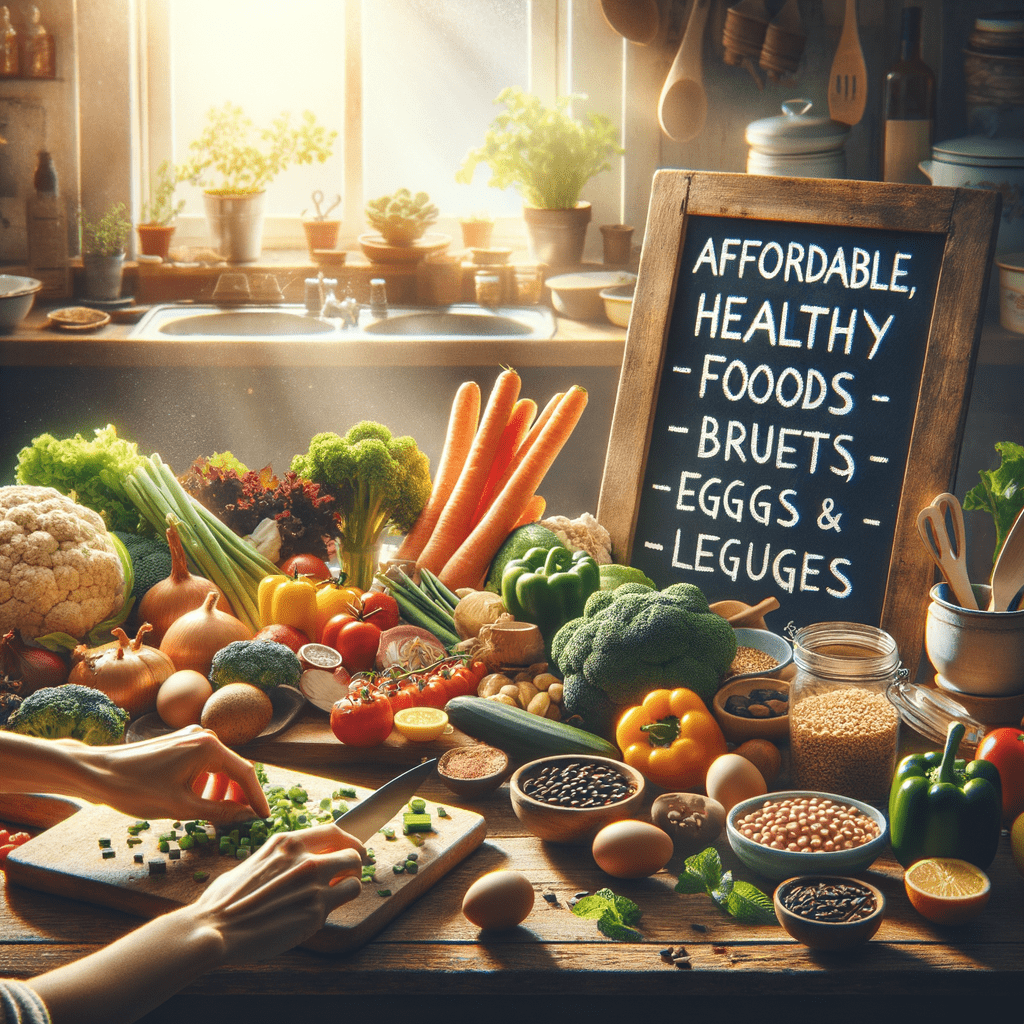
In other words, you are more likely to stop after one apple and a handful of almonds, but more likely to devour a whole bag of chips. When shopping, combine essential items and plan meals around fresh or frozen vegetables, lean proteins like beans, lentils, or fish, and healthy fats including extra virgin olive oil, avocado, and nuts.
Find alternative ways to cope with stress
Turning to food for comfort is human nature. But a persistent pattern of using food to cope with emotions will undoubtedly lead to weight gain, deplete energy, disrupt sleep, and even weaken the immune system.
If you find yourself craving foods too often, commit to finding alternative ways to get through these moments.
Maintaining a mindful eating schedule without distractions and prioritizing whole foods can help you recognize when you are drawn to the kitchen out of emotions rather than hunger. Awareness can allow you to explore other coping strategies.
Being at home may give you the freedom and flexibility to try new skills and cultivate healthier habits.
Focus on balance to maintain mental and physical health, stay productive, and progress – one day at a time.